Front Desk is an architectural design firm based in Jaipur having successfully completed different Residential projects. FD Architects ensures the long term use of the buildings we design, by integrating adaptability into the design, so that we evolve with new ways of living or working. We are sensitive to the Client’s budget and time schedule. FD Architects inspects and evaluates the building construction works, and ensures that the quality of construction is of a high standard. We make sure that the Contractor corrects any defects in the work.
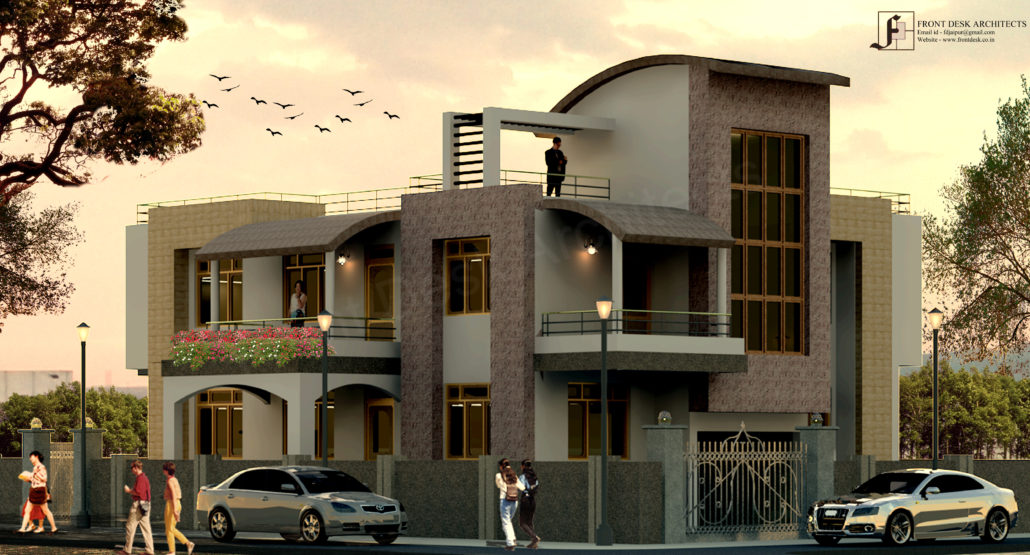
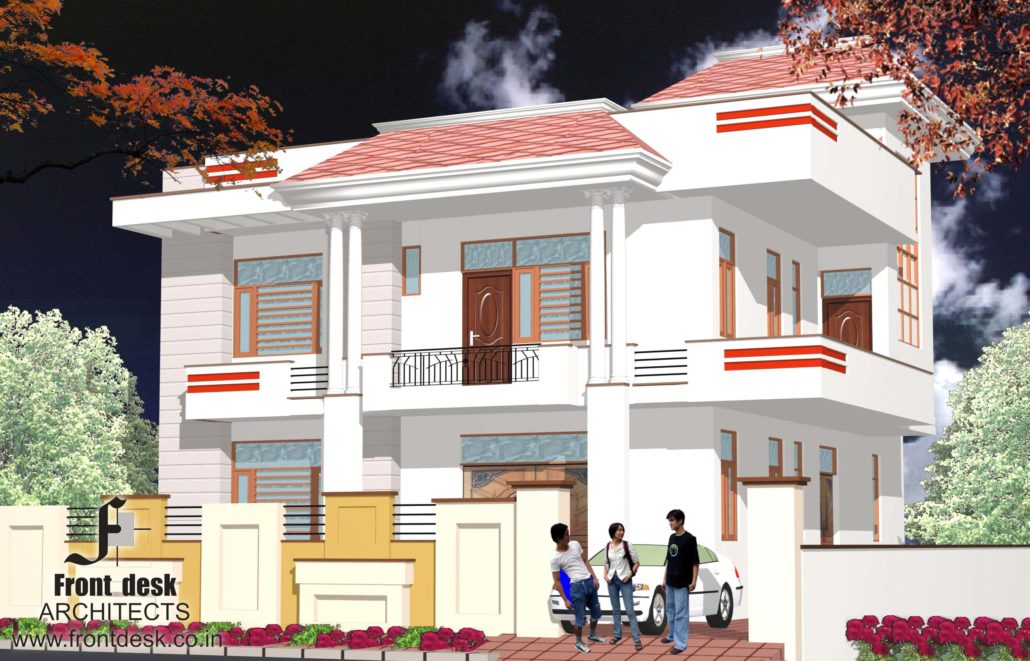
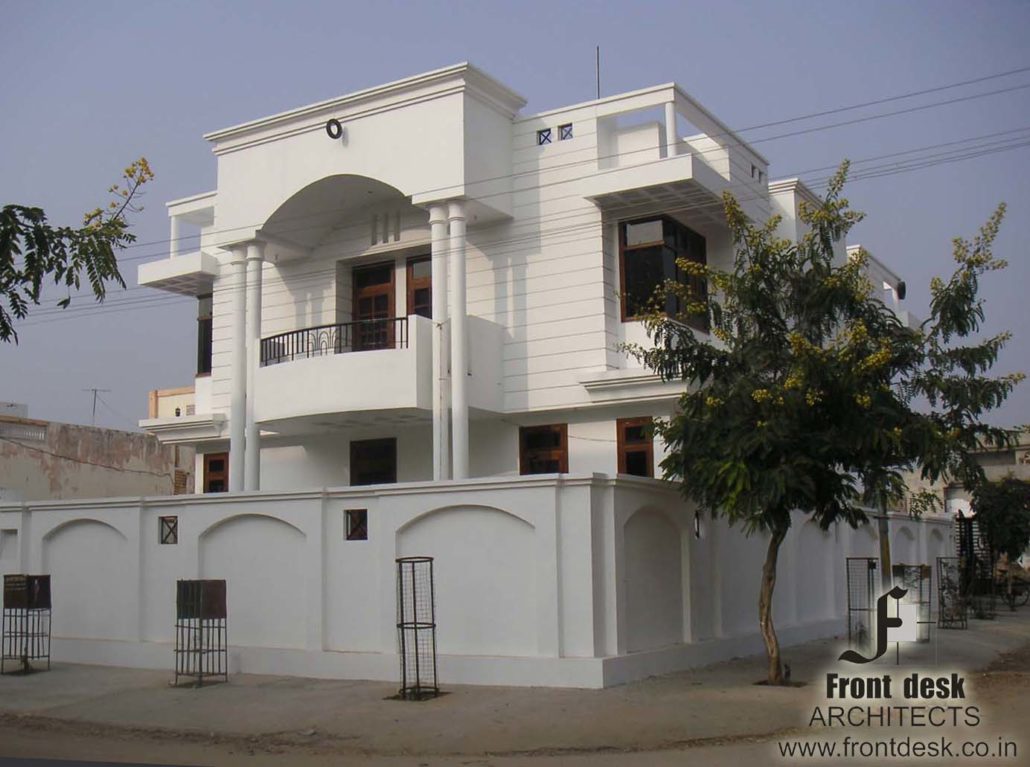
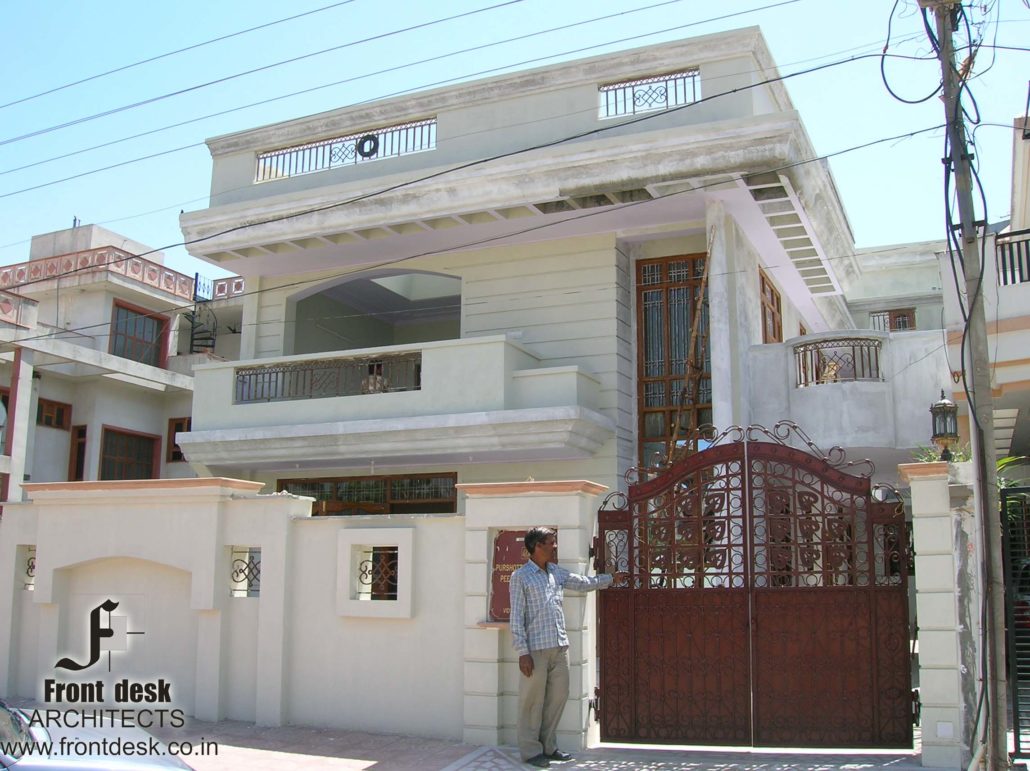
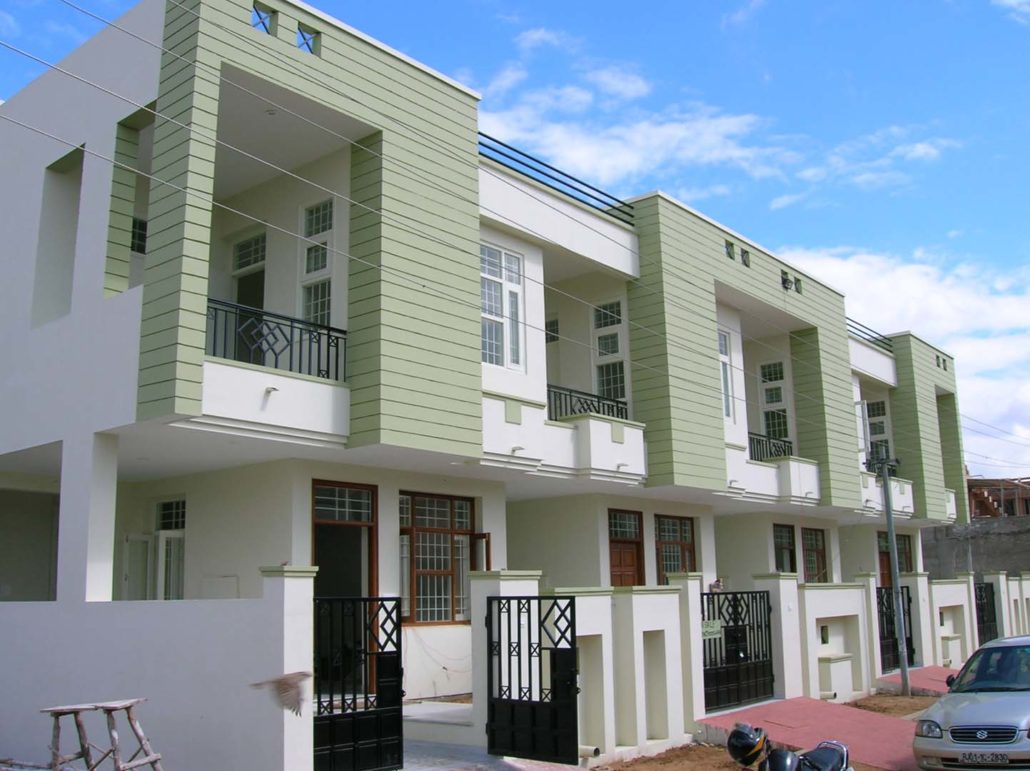
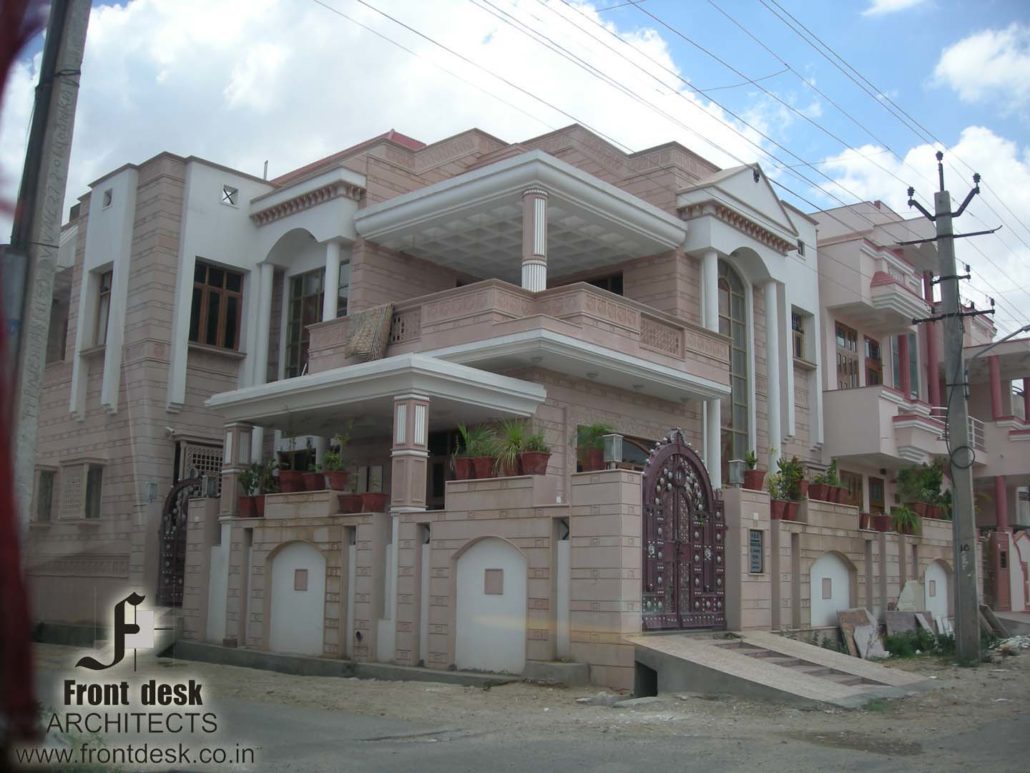
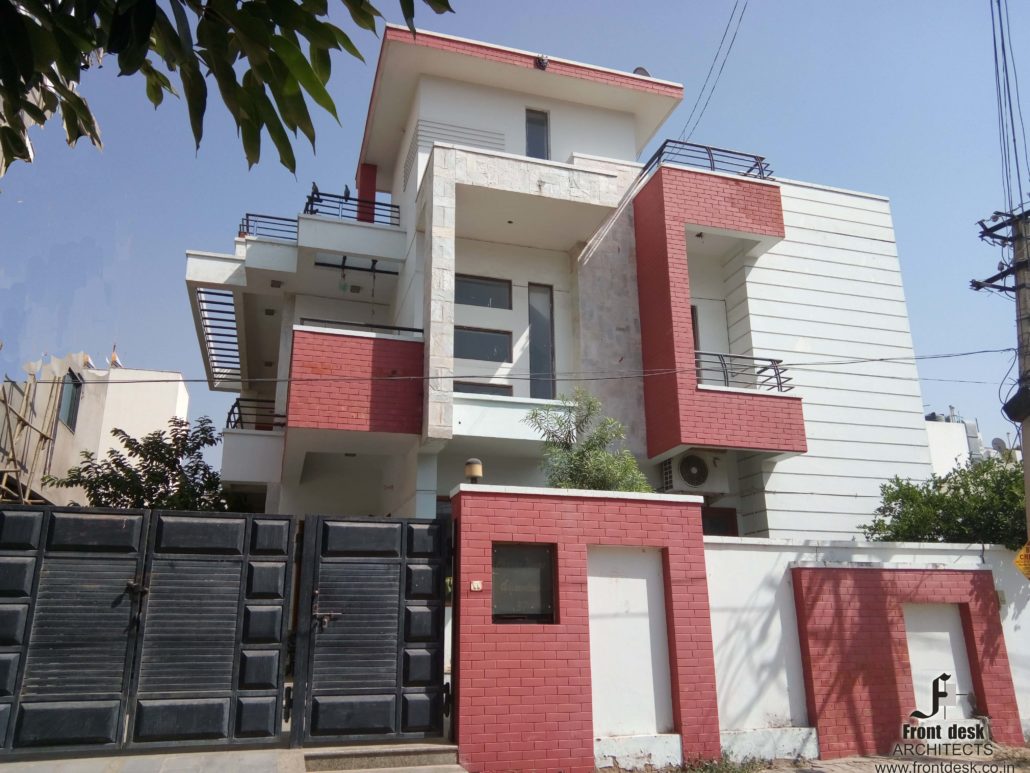
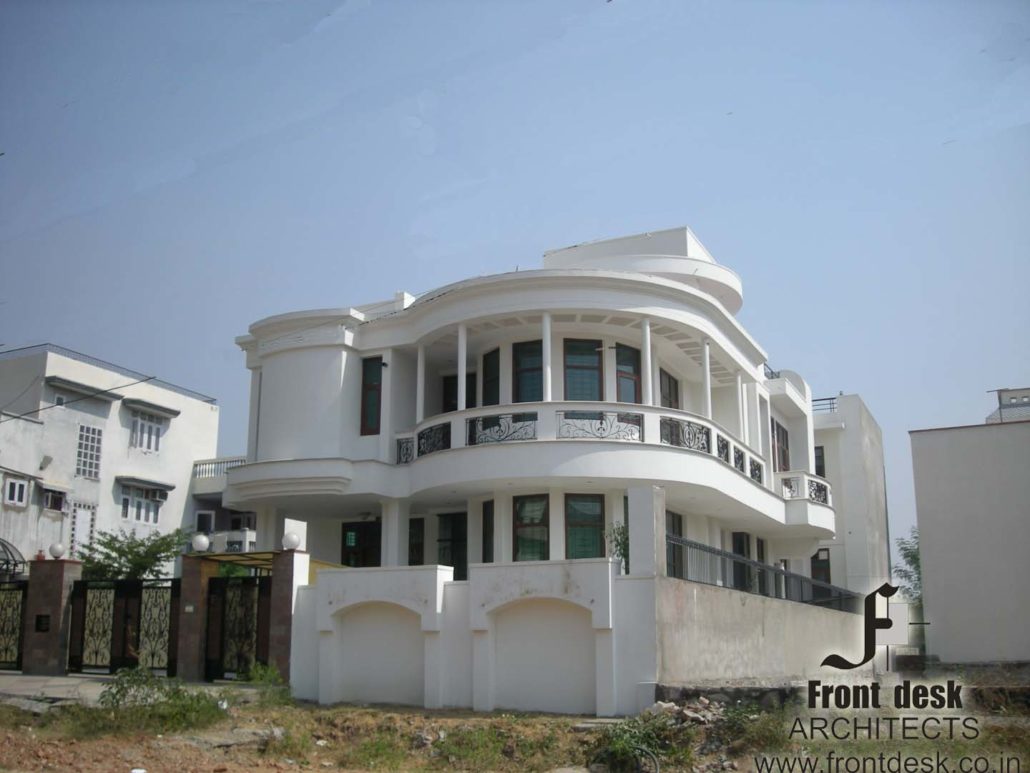
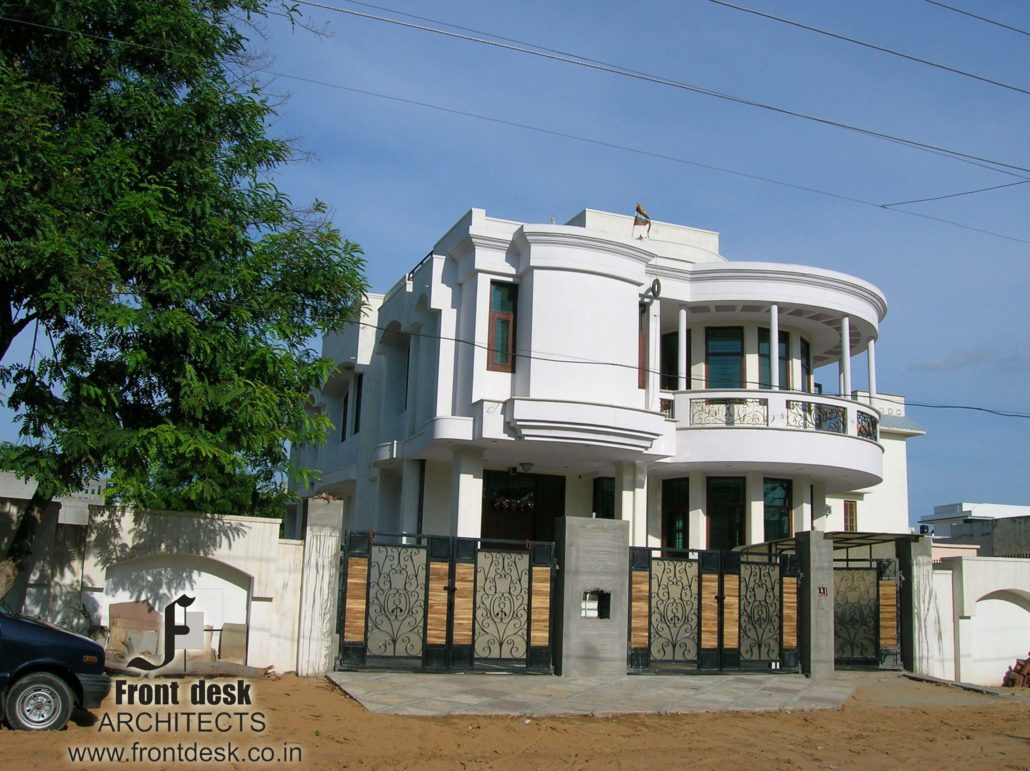
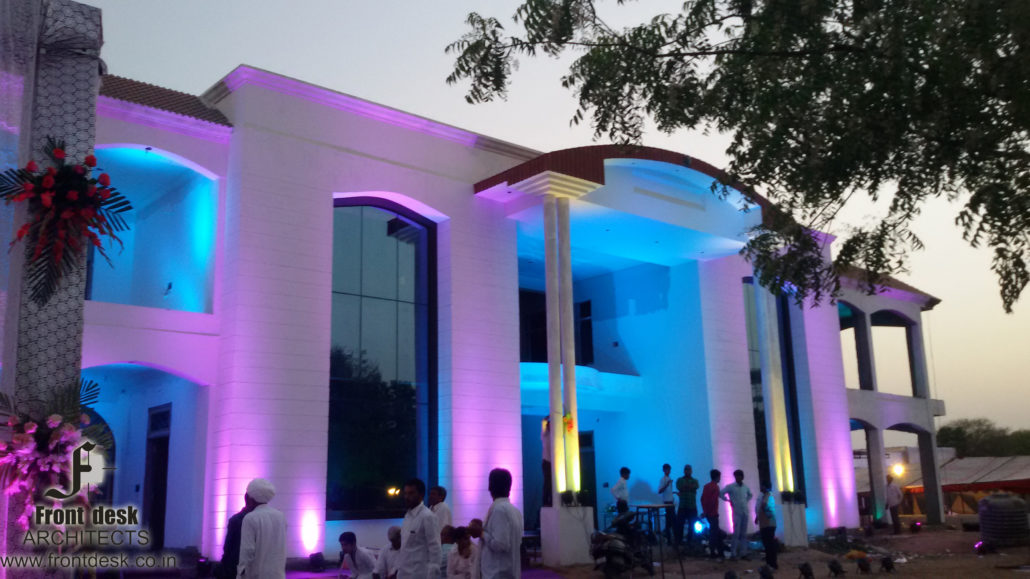
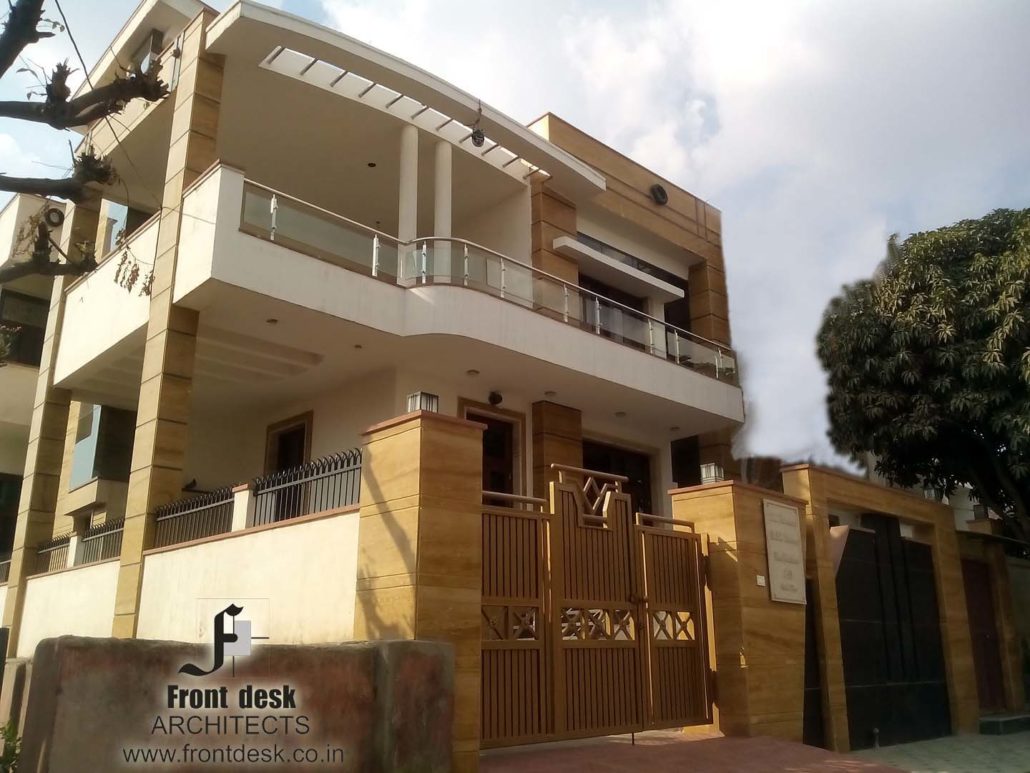
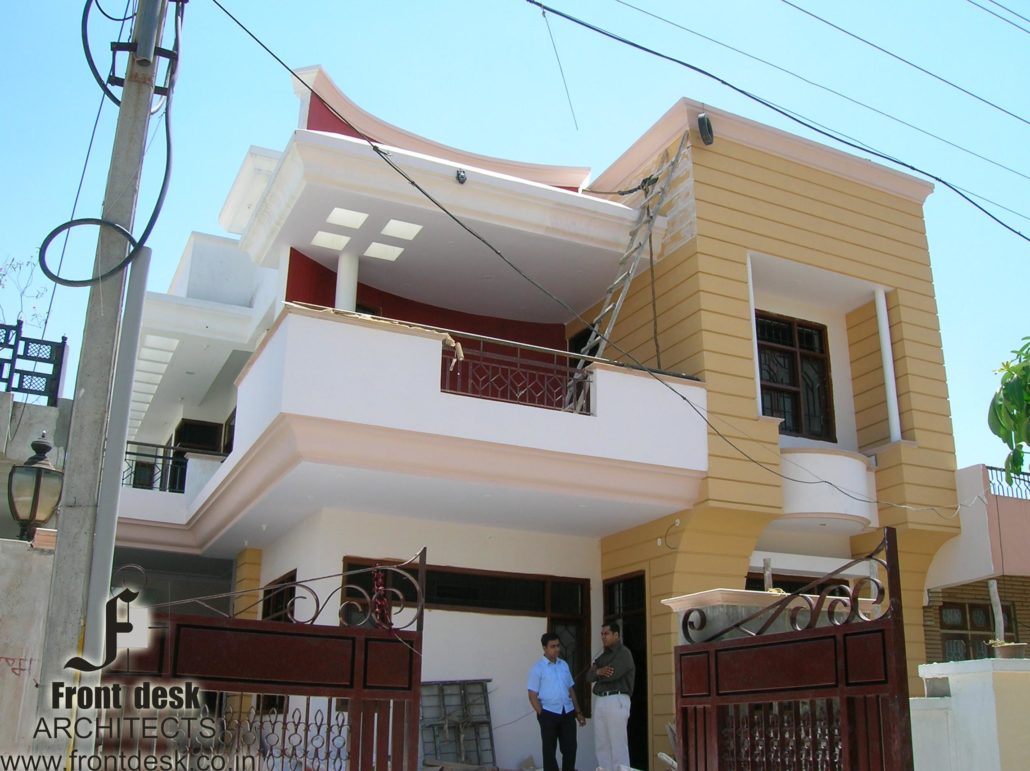
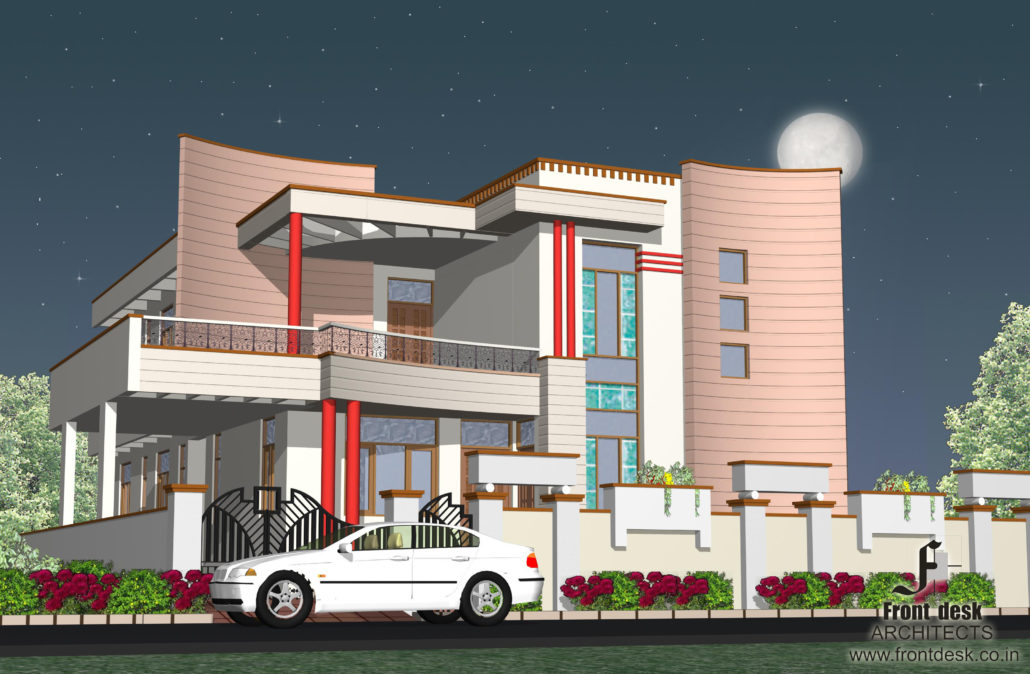
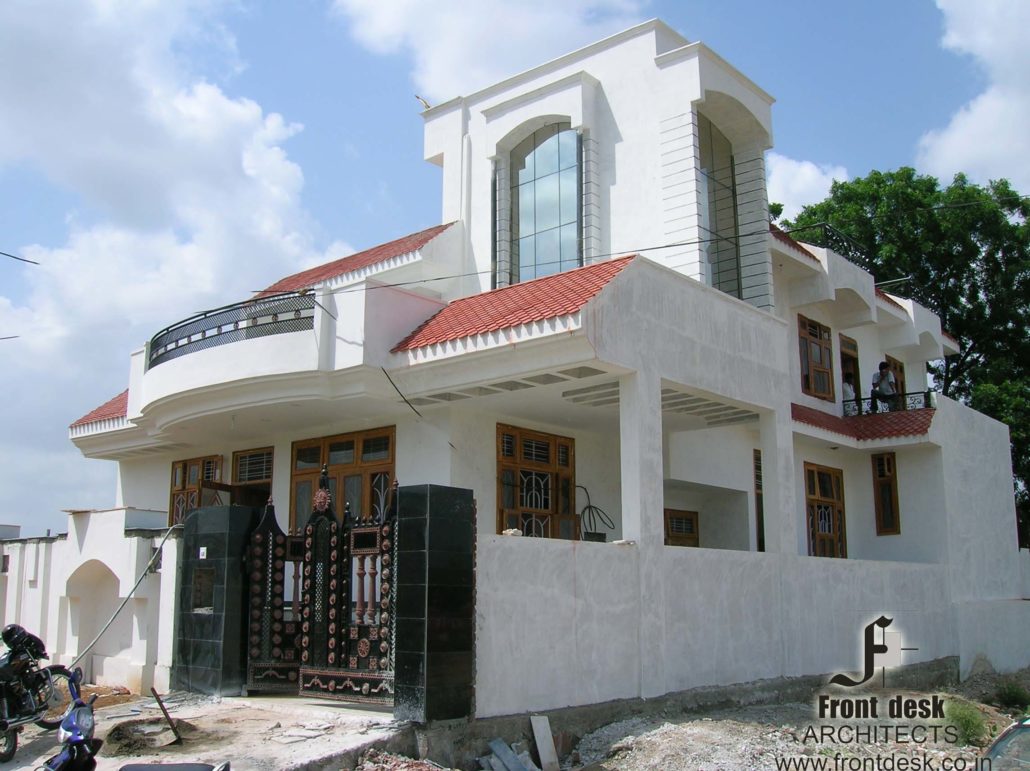
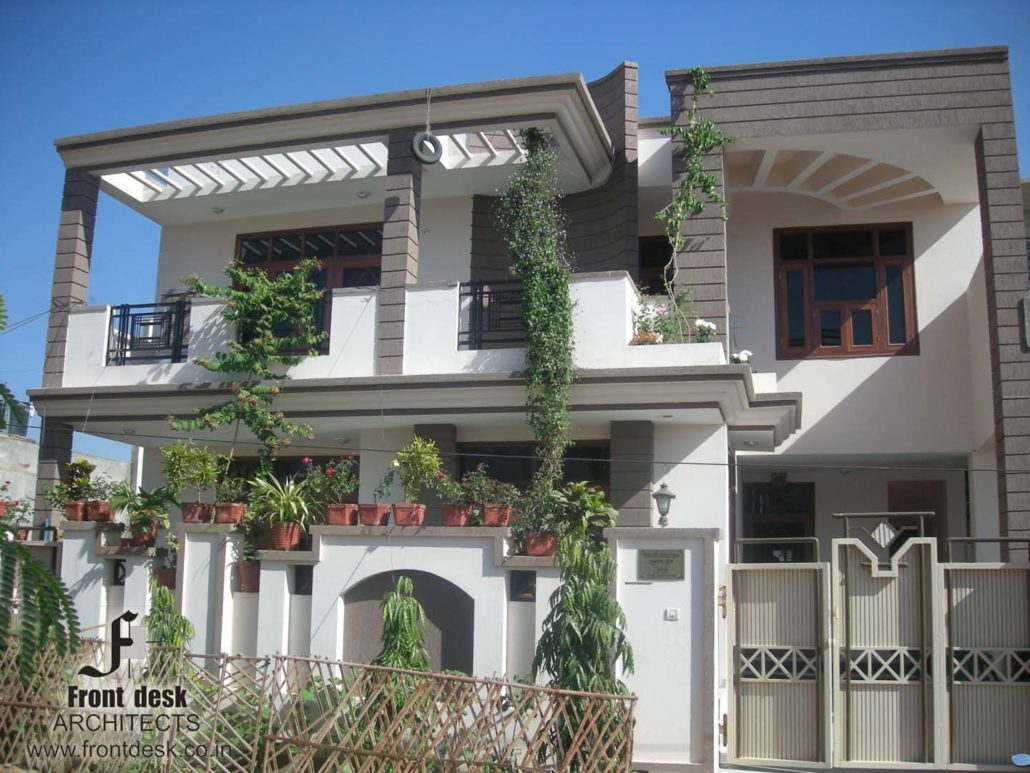
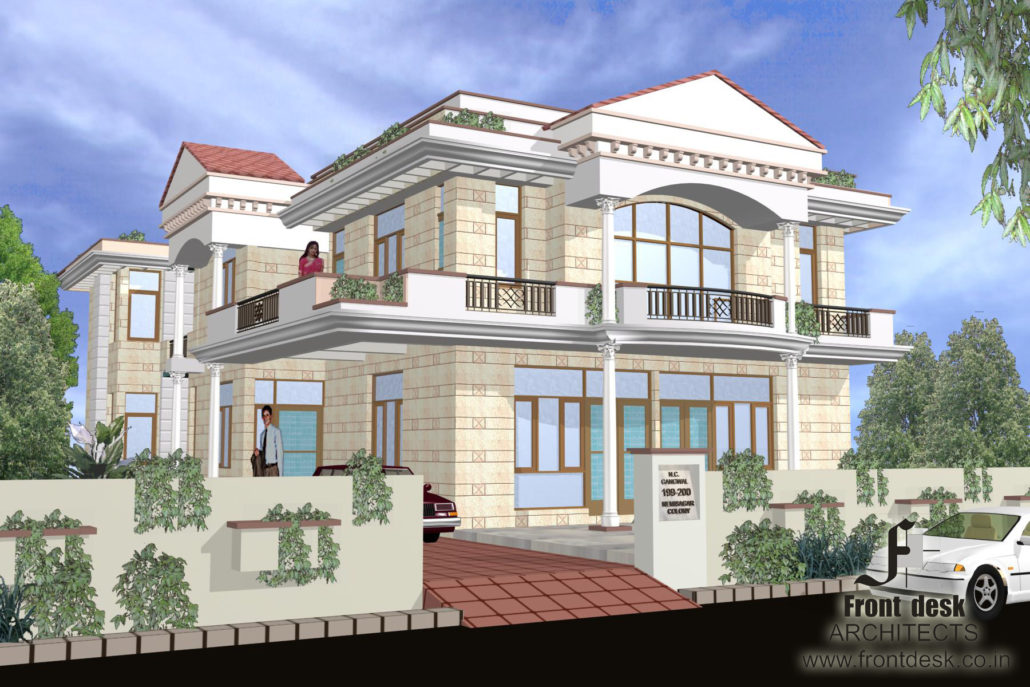
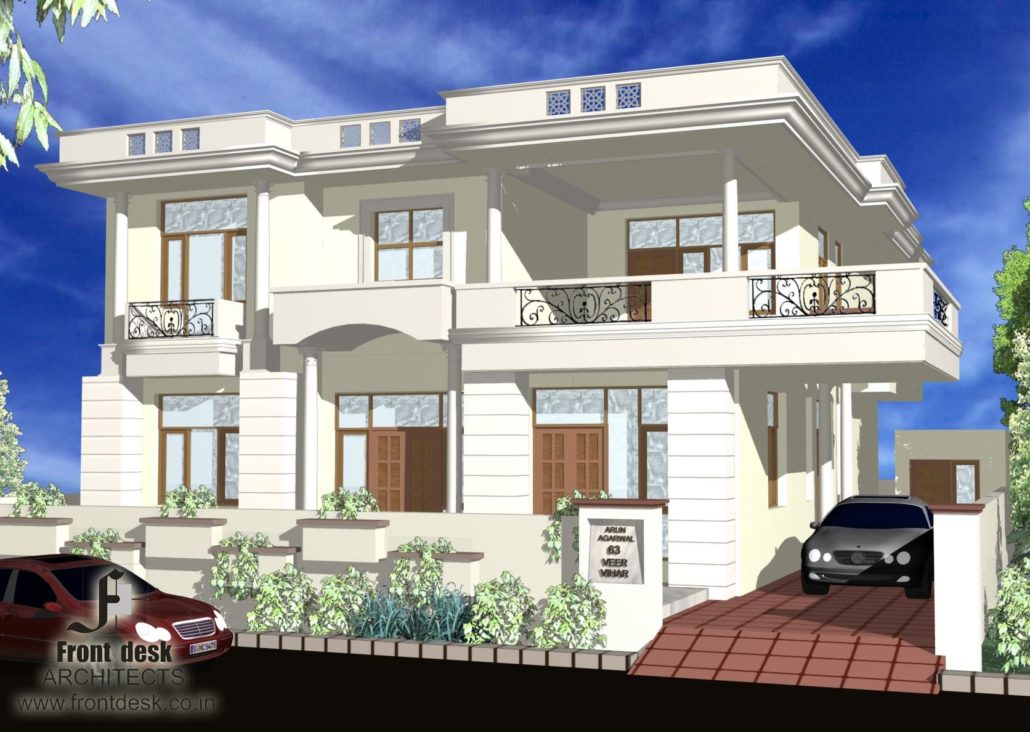
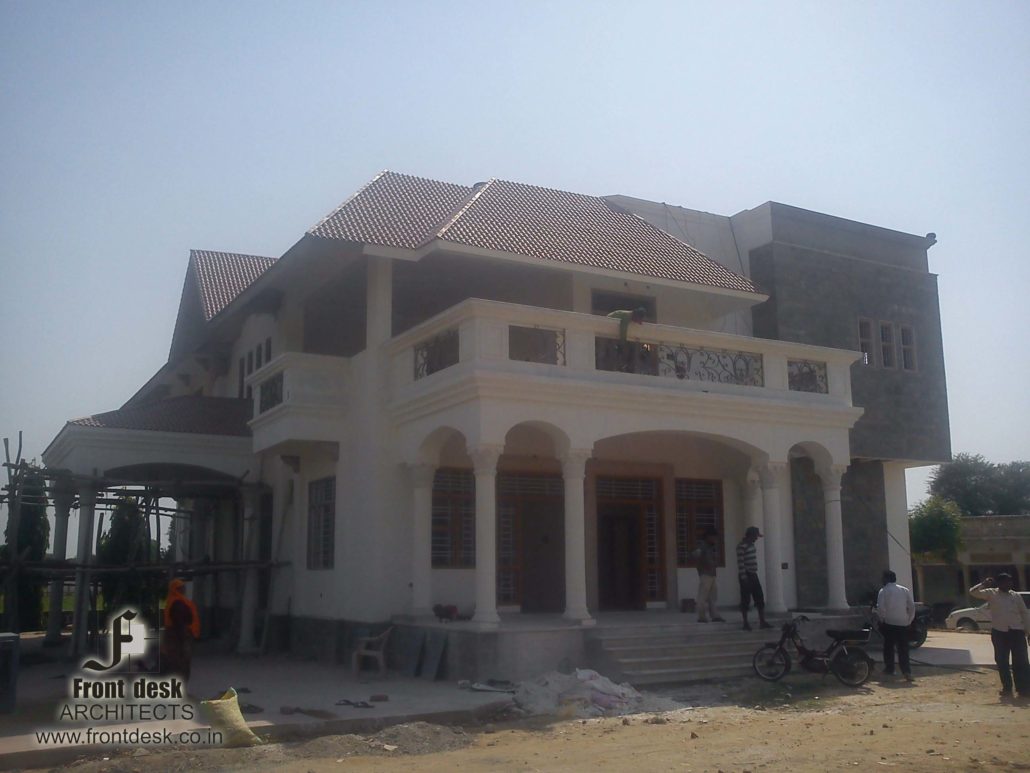
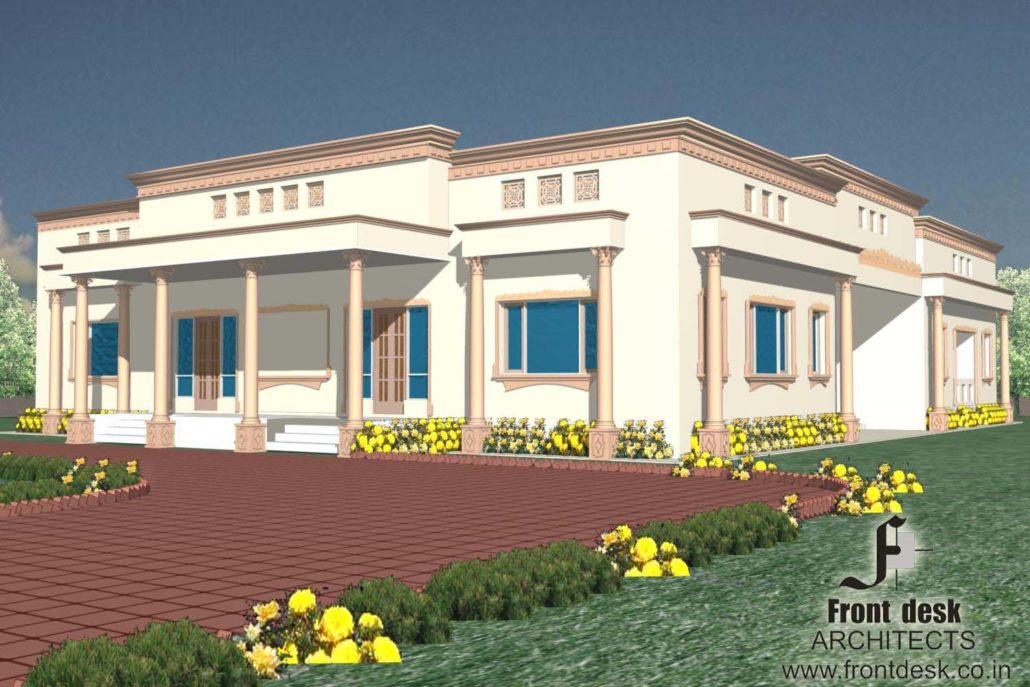
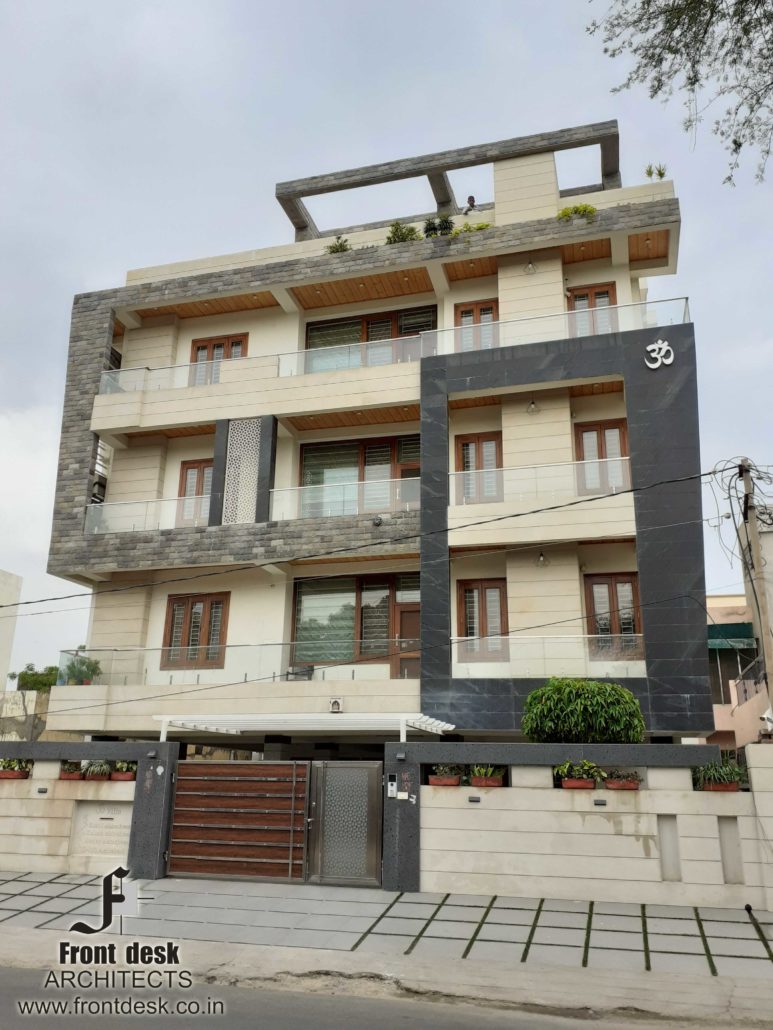
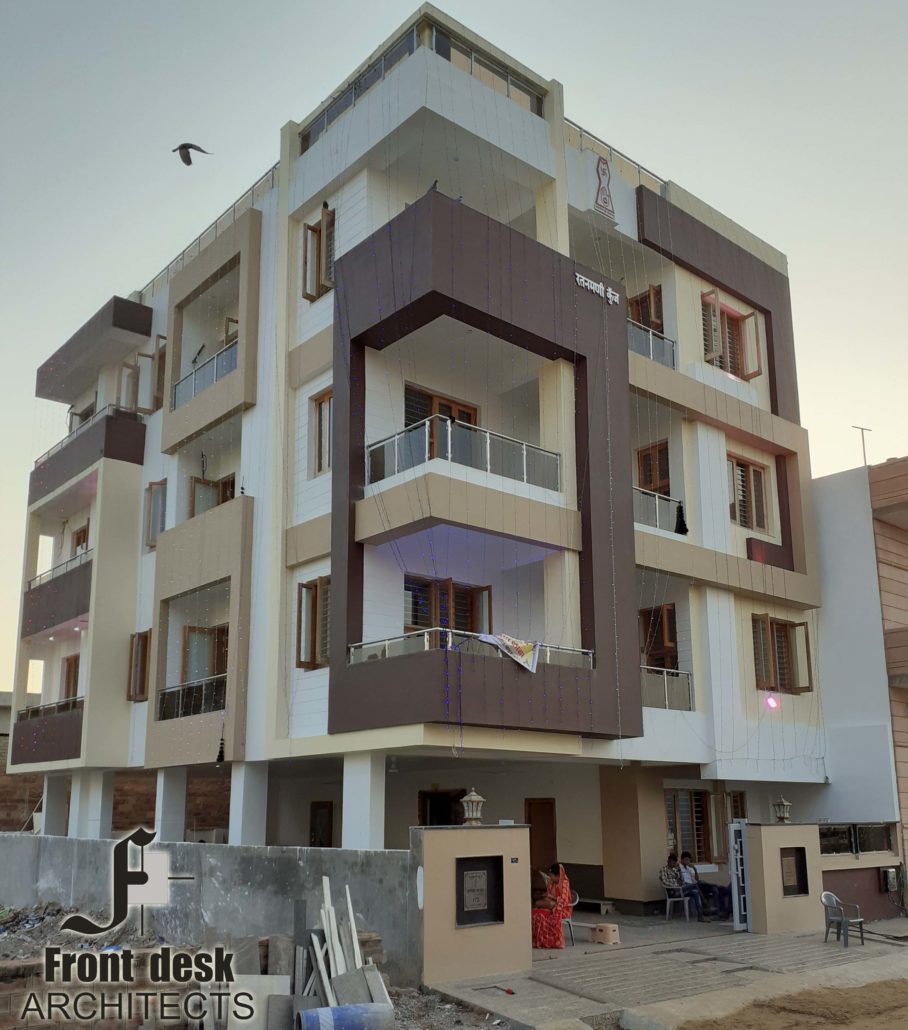
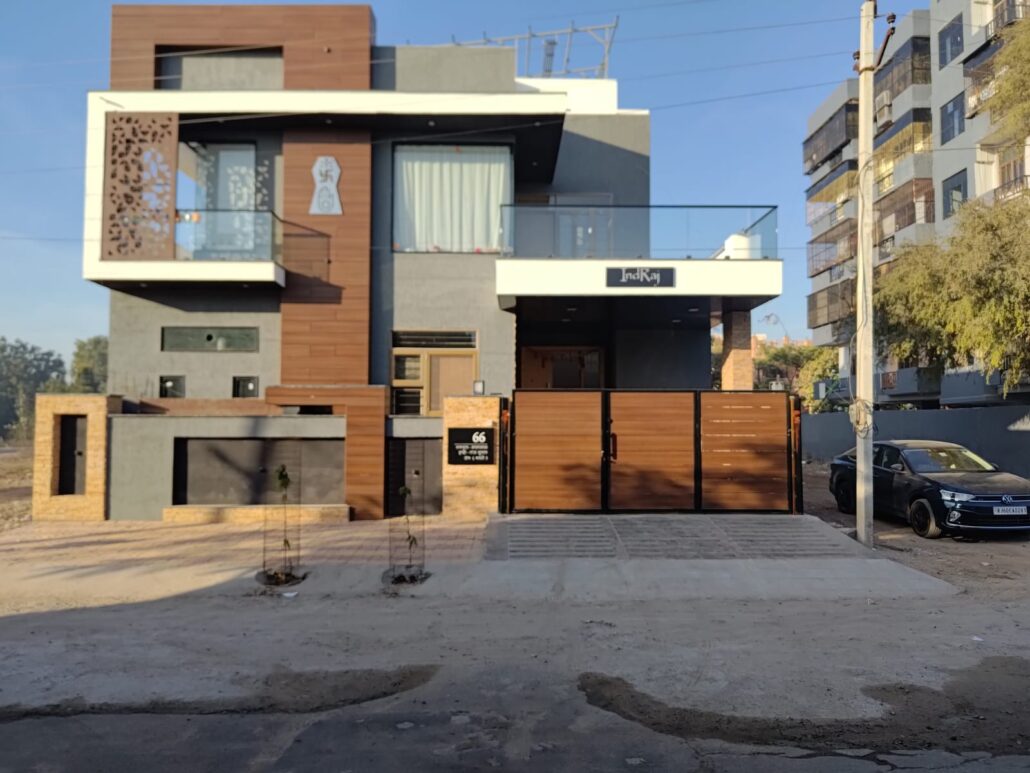
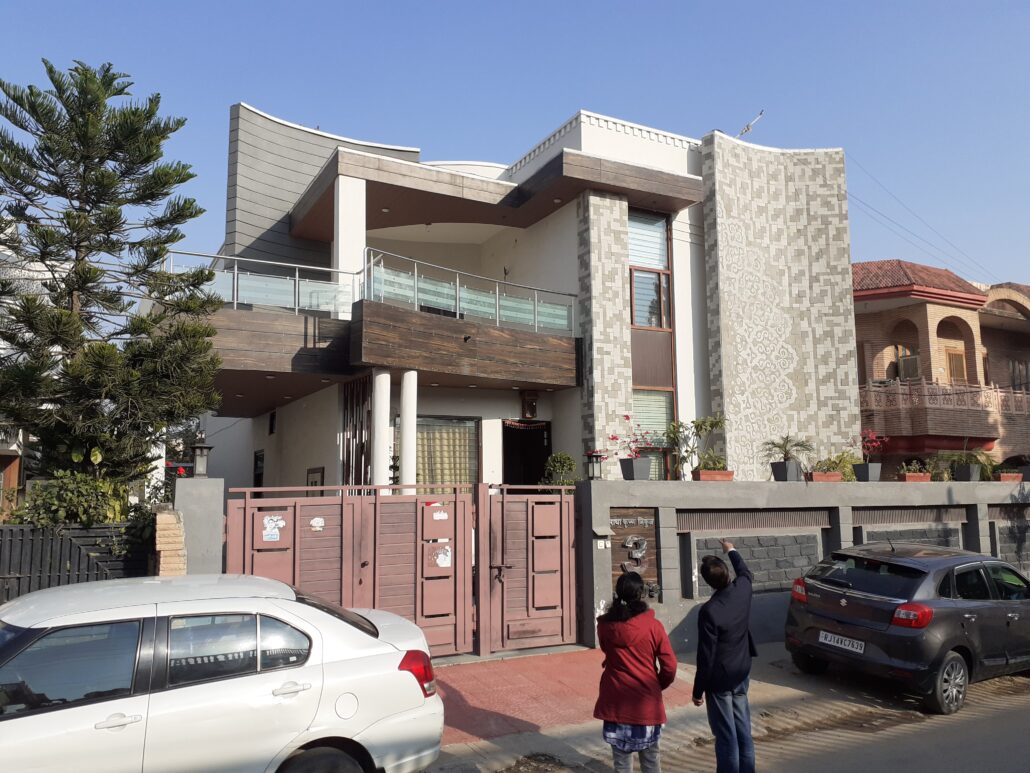
Ambabari Residence, Jaipur
Padmavati colony villa , Jaipur
Gokhale Marg Residence, Jaipur
Civil Lines Residence, Jaipur
Pradhan Marg Residence, Jaipur
Residence At Pal Road Jodhpur
Namaha Buildcon Villa at Jaipur
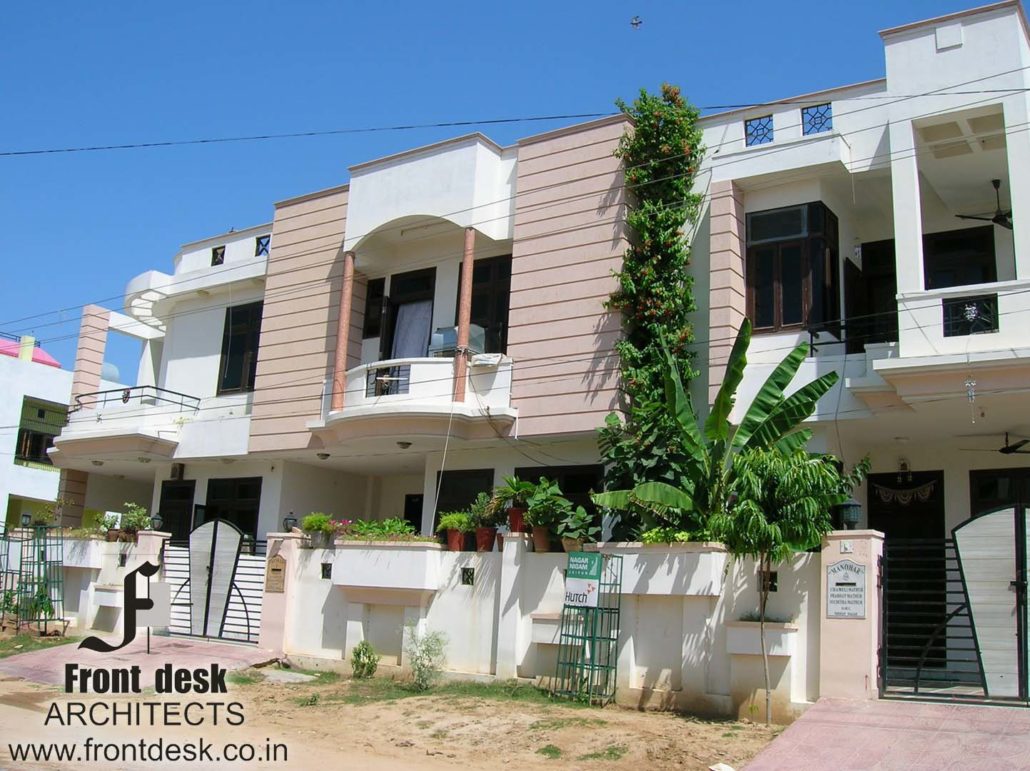
Residence at Shalimar Bagh Jaipur
Residence at Vidhyadhar Nagar Jaipur
Officers Campus Residence
Residence at Vidhyadhar Nagar
Vardhman Nagar Residence
Sitabari Residence
Shalimar Garden Residence
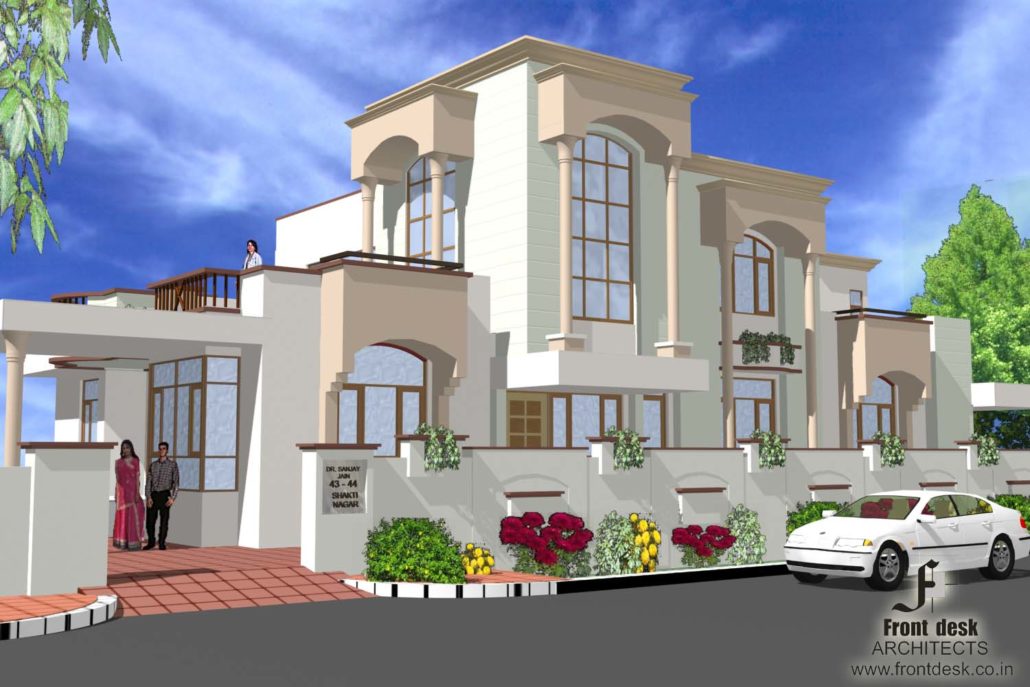
Shakti Nagar Residence cum Clinic
Vidhyadhar Nagar Residence
Residence at Kalyanpura Jaipur